Enhance Your Home With Professional Building Offerings
Enhancing a home through expert architectural solutions involves more than just aesthetics. It requires a refer to this page deep comprehension of practical design principles and regional construction regulations. Collaborating with an experienced architect can address common challenges while enhancing property worth. The process is organized and comprehensive, ensuring that every detail corresponds with the homeowner's vision. Yet, many homeowners struggle to navigate this journey effectively. What steps can they take to secure a successful partnership?
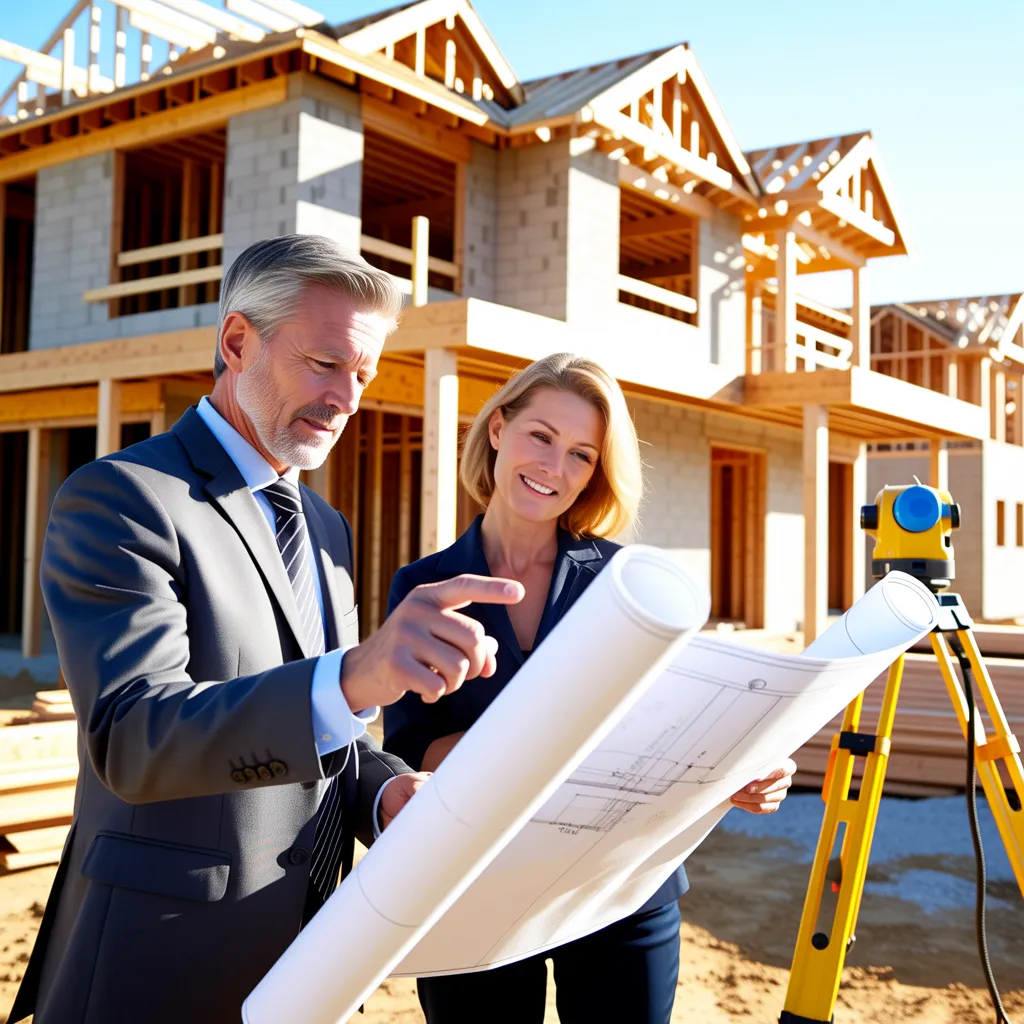
Common Home Design Problems and How Architects Help
What renders home design so challenging for countless homeowners? The complexity of combining personal design preferences with everyday needs often exhausts them. Homeowners commonly struggle with spatial limitations, budget challenges, and regulatory standards, complicating more difficult. Additionally, many lack the required expertise needed to address structural challenges and building codes.
Architects maintain an indispensable role in tackling these hindrances. Their training outfits them to navigate the intricacies of design, ensuring that a homeowner's aspiration corresponds with practical conditions. Architects can furnish revolutionary remedies to maximize space while upholding protection codes. They also support in constructing harmonious designs that manifest the dwelling owner's style. By offering wisdom into materials and erection approaches, architects facilitate streamline the deliberation process. At the end of the day, their expertise transforms a seemingly intimidating quest into a collaborative progression, cultivating a sound balance between imaginativeness and utility in home design.
Benefits of Working With a Professional Architect
Partnering with a professional architect enhances the residential design process by uniting expert knowledge with the client's perspective. Architects bring a wealth of experience in architectural standards, legal requirements, and sustainability practices, making certain that the project not only achieves design targets but also complies with legal standards. Their talent for conceptualizing and clarify multifaceted thoughts supports converting abstract concepts into realized blueprints.
Moreover, architects can deliver forward-thinking solutions to layout obstacles, optimizing functionality and layout. They also oversee the complications of the construction phase, liaising with contractors and suppliers to maintain budgets and timelines are followed. This skilled oversight decreases mistakes and lessens the anxiety associated with home remodeling or construction. Ultimately, partnering with an architect delivers a unified, thoughtfully designed space that reflects the homeowner's personality while boosting overall home worth.
What Represent the Important Steps in the Building Design Workflow?
What is the way the building design process unfolds from concept to completion? The journey starts with an first meeting, where the designer and customer discuss goals, requirements, and budget. This phase is vital for creating a clear vision. Next, the designer performs site analysis, examining aspects like terrain, weather patterns, and local codes.
After this, the design stage starts. In this phase, sketches and digital models are produced, allowing the client to envision the project. When the design is finalized, the architect assembles detailed construction documents, including specifications and drawings.
After obtaining required permits, the project moves into the construction phase. The architect often works with contractors to guarantee that the plan is executed correctly. Frequent on-site inspections and assessments help preserve quality and adherence to the initial vision. Finally, the project culminates in a walkthrough, verifying that the completed structure meets the client's requirements before the official transfer.
What's the Best Way to Select the Ideal Architect for Your Home?
Discovering the right architect for your home requires thoughtful thought and study. Future homeowners should start by clarifying their specific desires and budget, which will shape their quest. Advice from peers, relatives, or property professionals can supply helpful opportunities. Online portfolios and ratings help with examining an designer's prior work and customer happiness.
Next, interested parties should speak to multiple prospects to assess their manner of speaking, background, and design approach. It's vital to address project timelines and client expectations to confirm agreement. Moreover, verifying credentials and reviewing proper licensing and credentials can prevent future complications.
In conclusion, property owners should believe in their instincts. The suitable architect should not only exhibit the required skills but also connect with the homeowner's vision and ethics. This harmony generates a collaborative environment, ultimately bringing about a successful partnership in fashioning a desired residence.
Methods to Present Your Ideas Proficiently
Expressing a direction for home design successfully is important for a strong partnership between homeowners and architects. To attain this, residents should commence by clearly identifying their desires and inclinations. Developing a visual guide with images, tones, and materials can facilitate expressing aesthetic wants. Additionally, detailing functional needs, such as square footage and layout, confirms that the professional understands practical considerations.
Property owners should also participate in open dialogue, promoting questions and feedback to refine their vision. Frequent meetings throughout the planning phase foster teamwork and openness. Employing straightforward language to express ideas and concerns can avoid misunderstandings and help align goals.
Finally, remaining open to the architect's expertise enables a more vibrant dialogue. By combining personal vision with professional insight, homeowners can facilitate a constructive relationship that results in a beautifully designed space showcasing their aspirations.
Approach to Controlling expenses for Architecture Consultations
As you start a home design project, establishing a budget for architecture services is critical to prevent economic hardship later. Homeowners should begin by researching typical fees in their area, which can vary based on the project's complexity and the architect's experience. It is sensible to allocate a percentage of the overall project cost specifically for architectural services, typically ranging from 5% to 15%.
Next, prospective customers should review the scope of services needed—whether they want complete design and project management or only initial consultations. Participating in open dialogue with potential design professionals regarding their cost arrangements can shed light on pricing.
Additionally, homeowners should account for possible expenses and revisions, creating a buffer in the budget. By explicitly outlining their monetary limits in advance, customers can ensure they select an design expert who aligns with their objectives while adhering to their financial limits.
Often Asked Questions
What Styles of Architecture Can I Select for My Home?
Homeowners may select from diverse building designs, encompassing modern, traditional, colonial, Mediterranean, and contemporary. Each style offers unique aesthetics and performance, allowing individuals to express personal taste while considering regional influences and environmental factors.
What Time Period Does the Design Development Process Normally Entail?
The design process typically demands several months, determined by project complexity, design approvals, and local regulations. Factors such as client feedback and construction timelines can also influence the timeframe substantially across the duration.
Can Architects Assist With Eco-friendly Design Options?
Architects can truly support with green design alternatives. They include environmentally responsible materials, energy-efficient systems, and creative floor plans, guaranteeing projects reduce environmental impact while enhancing functionality and aesthetic appeal, matching with clients' sustainability goals successfully.
What Qualifications Should I Find in an Architectural Expert?
When engaging an architect, one should look at their education, accreditation, involvement in related assignments, selection of projects highlighting their design sensibility, and knowledge of local regulations. Ability to communicate effectively and feedback from previous clients also become crucial in the decision-making process.
What Method Do Building Designers Use to Address Zoning and Permit Concerns?
Architects manage regulatory challenges by conducting thorough research on regional requirements, assembling required paperwork, and working with municipal authorities. Their proficiency ensures adherence, streamlining the permitting timeline for customer developments effectively.